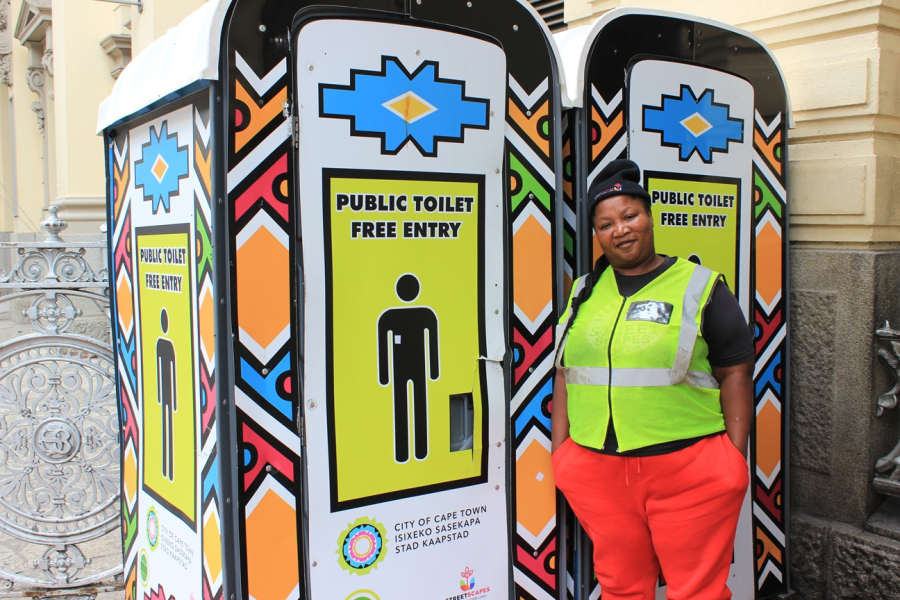
Cape Town’s commitment to providing clean, safe and accessible ablution facilities in the CBD reached a major milestone, with users of a public toilet project surpassing one million people since its launch in 2022.
Aimed to address a long standing shortage of public sanitation in the Cape Town CBD, the imitative – supported by the City of Cape Town, facilitated by the Cape Town Central City Improvement District (CCID) and implemented operationally by its NGO partner Streetscapes – has become one of the CBD’s most impactful public health and urban safety interventions.
CCID CEO Tasso Evangelinos says it has evolved into a reliable service that supports the daily functioning of a busy and diverse CBD, while also ensuring stable employment for community members who manage and service the toilets.
Project successes
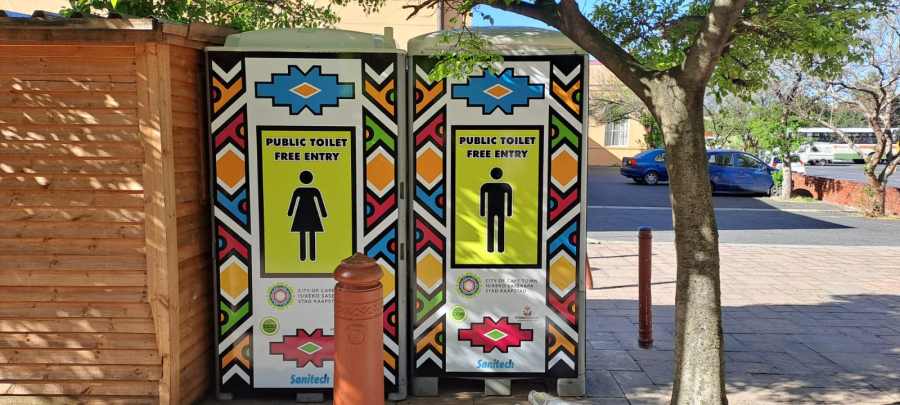
In February 2026, eight mobile toilets – placed strategically in Adderley, Longmarket, Canterbury and Barrack streets – recorded 1 005 604 visits, including 268 244 visits by homeless individuals. Usage data reflects both the scale of demand and the importance of dignity driven sanitation access. An additional toilet has recently been added to the two in Barrack St near the CBD Department of Home Affairs bringing the total number of toilets to nine.
Streetscapes data shows usage continues to grow year on year, with a median monthly average of approximately 19 000 visits. Reports indicate that usage is on track to deliver on 230 000 visits in 2026. The toilets are open Monday to Sunday, from 07h00 until 23h00.
City of Cape Town Councillor Ian MacMahon says the milestone underscores the importance of treating public sanitation as essential urban infrastructure. “This project is vital for the CBD. Access to clean, safe ablution facilities is a basic need, but in a dense urban environment it also supports public health, urban management and the overall quality of our public spaces. When we invest in essential services, people use them, and it makes a real difference on the ground.”
Kally Benito, manager of CCID Urban Development, says the project’s success can be attributed to consistency. “Since 2022, Urban Management has played a major role in ensuring the project operates consistently, safely and reliably.”
Contributing to employment
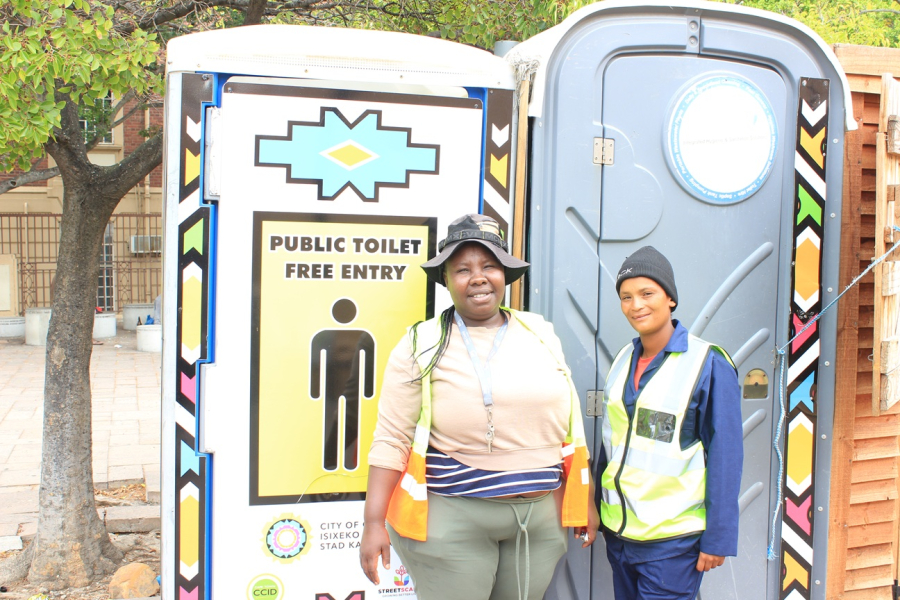
The social impact of the Toilet Project is most evident in its employment outcomes, says Streetscapes director Jesse Laitinen. She cites “consistent staffing, strict cleaning cycles, reliable opening hours and the daily presence of trained attendants” as key deliverables.
The project is part of Streetscapes’ broader reintegration model, as the organisation provides structured, paid work opportunities for people transitioning out of homelessness. Rather than a short-term job, she describes it as an intensive work-readiness phase that helps participants build practical skills, confidence and experience as they move towards greater stability and independence.
“In the first six months, nine people, half our team, moved into permanent jobs across hospitality, retail, security, cleaning and even the development sector. That does not happen by accident.”
Participants receive ongoing skills development, coaching and counselling alongside their daily operational responsibilities. She adds that the Public Toilet Project is strategically vital to Streetscapes’ broader programme: “Our first phase is focused on stabilisation and psychosocial support. But preparing someone for the world of work requires a firmer environment with clear expectations. Without this project, it would be far harder to get people truly job ready.”
More than just toilets
Benito notes that daily monitoring, rapid response to vandalism and hands on operational oversight have enabled the project to remain functional despite very high usage volumes. “It has become a normal, trusted part of how the CBD functions.”
Beyond sanitation, the facilities have evolved into informal micro safety hubs. The presence of attendants helps deter antisocial behaviour, supports vulnerable users and reduces vandalism, with benefits for women relying on safe, monitored facilities in high footfall areas. Nearby businesses also benefit from reduced pressure related to public nuisance, helping protect the CBD’s tourism appeal and walkability.
Evangelinos says: “The toilets provide dignity and essential services to the homeless community in town, as well as to visitors and workers in the CBD, and they help reduce sanitation hotspots that require additional cleaning and intervention.”
A project built on partnership
The City views the project as a strong example of collaborative service delivery. “Partnerships like this are critical,” MacMahon explains. “Working with the CCID and Streetscapes allows us to extend our reach and deliver services more effectively. It is a clear example of collaboration delivering real results for the public.”
Evangelinos also emphasises the strength of the partnership behind the project. “This milestone reflects a strong collaboration between the City, the CCID and our NGO partner Streetscapes. The project delivers an essential service, creates employment for around sixteen individuals and is strategically located to ensure accessibility.”
Facing the future
The CCID plans to continue to champion the project as a core urban service. As Evangelinos notes, access to clean, safe and free public ablution facilities is fundamental to a functioning city centre.
Operationally, the next phase will focus on durability, cost efficiency and integration with other urban services. Streetscapes and the CCID are exploring more robust toilet units, improved design elements and potential collaborations that could further embed the service into the city’s public infrastructure.
“We hope to build on the successes to date and see the service grow. The CBD needs at least six to eight additional sites, as the need for clean, safe and easily accessible – and free – ablution facilities continue to be in demand,” concludes Evangelinos.
IMAGES: CCID