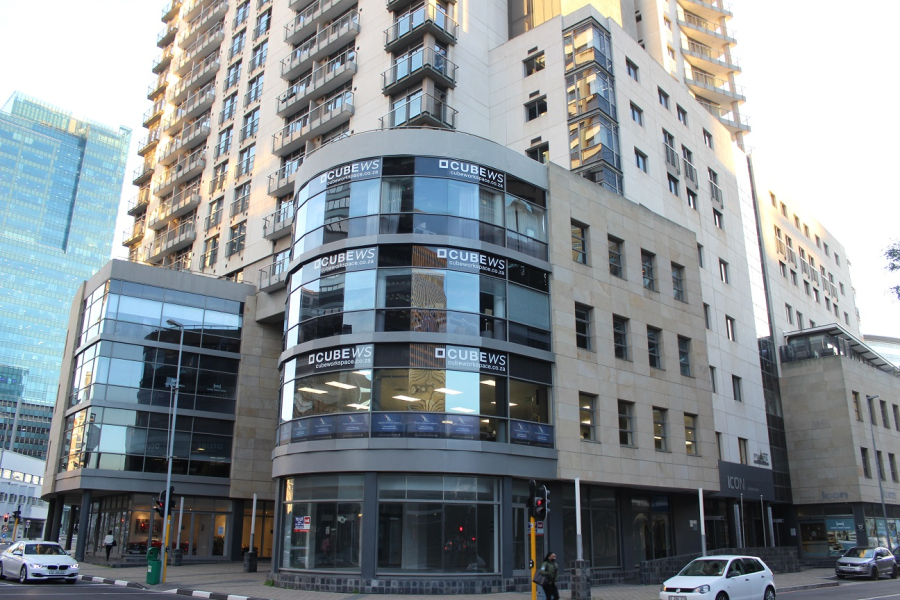
The co-working sector in the Cape Town Central City has proved resilient and has managed to survive the economic effects of Covid-19.
In 2019, the Cape Town CBD had 17 co-working spaces. It ended 2020 with 16 – just one less, despite the devastation of a year of lockdowns, according to research done by the Cape Town Central City Improvement District (CCID) and published in the State of Cape Town Central City Report 2020 – A year in review (Covid-19 edition).
The sector held its own remarkably well, confirms CCID researcher Sandra Gordon, with new companies opening to replace those that closed or relocated outside the city centre. Now, with many offices seeking alternative spaces and remote workers on the hunt for shared hubs, there’s more opportunity than ever for clever co-working spaces to capitalise on.
Tasso Evangelinos, CEO of CCID, says the sector is one of few that have managed to survive the pandemic’s devastating economic effect. “It has proved to be resilient in the face of the pandemic, which has been a major disruptor especially when it comes to where and how people choose to do their work.”
Co-working spaces – places where different companies and individuals can share office space and the cost of common infrastructures like WiFi, equipment, receptionists and more – first started gaining traction in Cape Town three years ago as the city emerged as a tech hub. Remarkably, most city centre players were able to weather the ‘lockdown storm’, by carefully managing cash flow and offering financial relief via discounted packages.
Now, with the vaccination roll-out gaining momentum, companies seeking office alternatives, and the potential unveiling of the Cape Town Digital Nomad Visa, the clouds seem to be clear for co-working hubs. In fact, they may see more growth than ever before.
SURVIVAL TACTICS
Sean Friedrich, Financial Director at Cube Workspace, says the co-working company "survived" through constant communication and excellent client relationships. “Key to weathering the storm has been understanding the needs of our clients – and bending over backwards to meet those needs. We needed to ensure our working environment was safe for clients to feel comfortable to return to. We also supported our clients’ businesses wherever possible, recognising they were going through their own difficult financial times.”
One co-working company – Flexi Suite – made the bold move to open its Cape Town city centre office in 35 Lower Long towards the end of 2020. Flexi Suite offers quality office spaces at highly competitive rates, on flexible lease terms. Suné Snyman, Leasing Manager, says the company opened its Cape Town office off the back of its success in Johannesburg and Pretoria. Since opening, uptake has been a little slower than desired, but Snyman expects this to pick up fast. “Positively, most of our tenants have signed on for a longer lease (12 months plus),” she says.
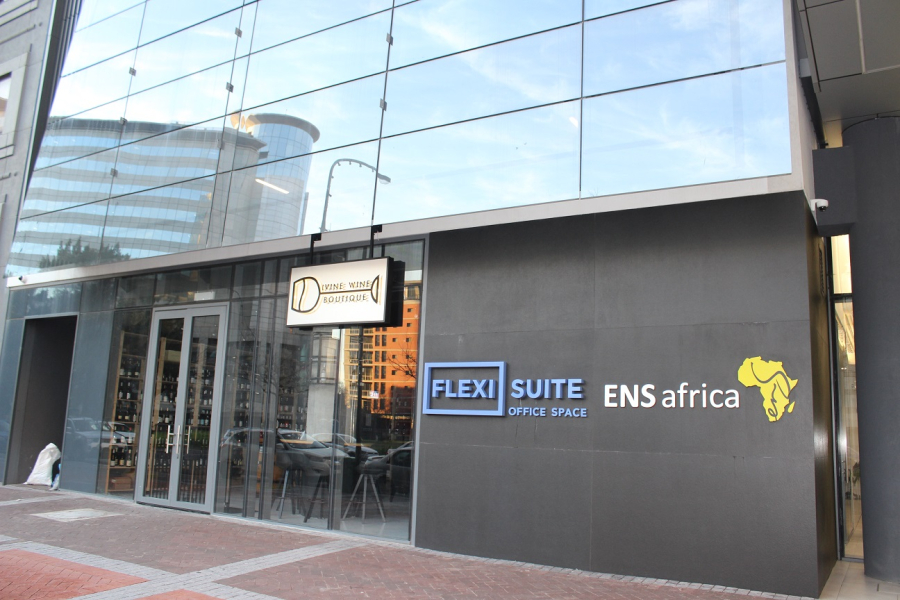
Flexi Suite co-working space has opened in the 35 Lower Long building on the Foreshore.
AN INDUSTRY ON THE MEND
The global trend of office decentralisation has played a part in the co-working sector’s recovery. Many offices are adopting a ‘hub and spoke’ model, where they keep one centralised office, with a series of smaller satellite offices. There’s much potential for co-working centres to facilitate these satellites.
Roamwork, a shared workspace in Harrington Street, has seen more and more people making use of its space. Founder Darren Epstein says, “It’s not just the camaraderie and networking opportunities afforded by a community space that’s accelerating adoption, but the shared resources – like super-fast WiFi and protection against load shedding – as well.”
He adds that people are using co-working spaces on a full- and part-time basis. “The beauty of a co-working space is its flexibility – there are choices for private offices, solo desks, hot desks and meeting rooms that can be used by drop-ins.” People can also choose their level of commitment.
TOP CO-WORKING TRENDS
Here are some top trends in the co-working space, according to Epstein and Niel Bekker, CEO of CHIPS co-working space.
- New clientele: CHIPS is now getting enquiries from larger businesses who want more flexible leases and employees of big corporates who are suddenly receiving stipends to work from anywhere. That has meant more people are considering co-working as an option.
- Property developers: Cape Town property developers have caught on to the co-working and co-living trend. For example, Neighbourgood is a property development company that is converting the former Townhouse Hotel in the CBD into a co-living space – Neighbourgood East City – for young professionals, who have access to a shared communal workspace.
- Getting niche: Offer something specialised to a particular class of clients. There’ll be more spaces with unique benefits for differentiated communities. Roamwork has an in-house production studio with an infinity curve and green screen. There’s also catering available and showering facilities. Plus, it’s dog friendly.
- Clubs, not cubicles: Today’s spaces are not simply desk-chairs and cubicles … globally, they’re becoming more like members’ clubs. Roamwork, for example, boasts a full art collection sponsored by Art Gazette.
- Cross-pollination: Shared spaces create networking opportunities in a time when people have serious Zoom fatigue and limited chances to connect in person.
- A home for headquarters: Several businesses are now seeking a space to connect monthly, but don’t want an office of their own. There’s a massive opportunity for communal spaces to accommodate this new use case.
IMAGES: CCID